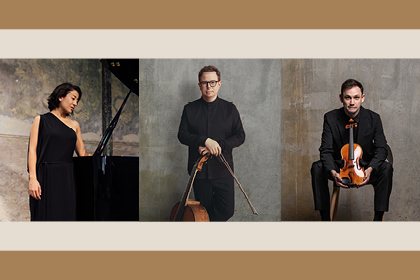
Each player on this Musica Viva Australia tour is a virtuoso with a bulging portfolio of gigs across the country, so catching them together is tricky. Stephanie Eslake eventually reaches them separately, via email, but comes away with a strong sense of unison.  

Timo-Veikko (Tipi) Valve is Principal Cello of the Australian Chamber Orchestra. Aura Go has performed as soloist with almost every major orchestra in the country, and has taught others how to work towards similarly high ambitions through her role of Head of Piano at Sir Zelman Cowen School of Music and Performance. And Kristian Winther has taken on solo performances and concertmaster roles with Australian orchestras, as well as leading string quartets and premiering an impressive number of new compositions.  
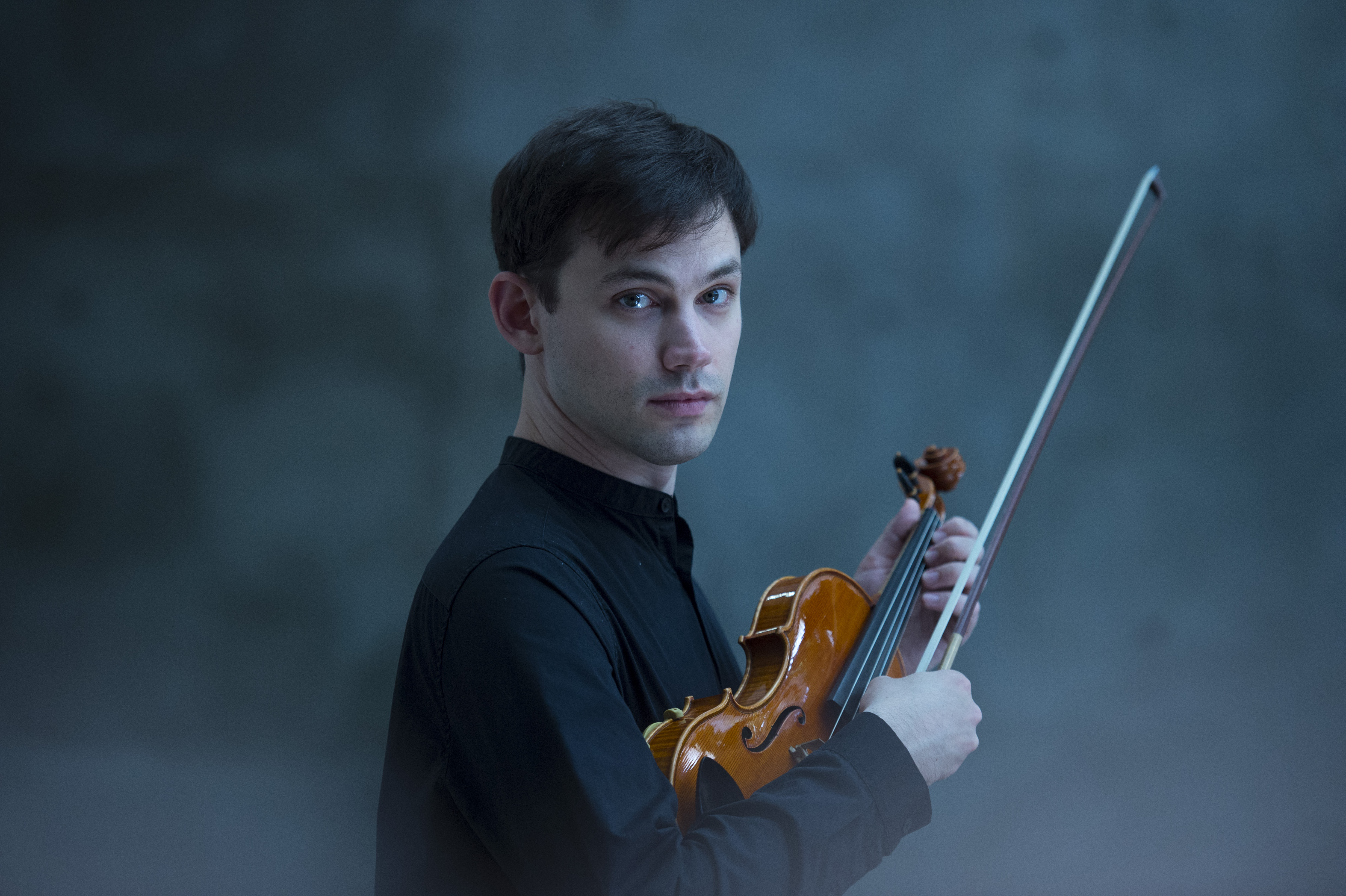
Kristian Winther (2018). Credit Jan Safar

Kristian Winther (2018). Credit Jan Safar

When asked what he most enjoys about playing chamber music in a group setting – as opposed to playing solo under the spotlight – Kristian offers a touchingly candid response: ‘It’s nice not to feel alone.’  


His words speak volumes about the life of a busy soloist.  


Kristian and Aura have known each other since high school when they performed together as emerging artists, and after about two decades, they’ve found each other again at the top of their careers. Tipi joined them for a one-off trio last year; he and Kristian also have a long relationship of musical collaborations.  


This tour is an opportunity to spend an extended amount of time developing deeper connections over some favourite repertoire. Kristian describes the process as a taking a ‘shared commitment to abandoning common practices and traditions… focusing on what the composer wanted, and understanding the composers’ essence’. 


Sometimes, this involves sacrificing tightly held personal views and stepping outside of artistic comfort zones. As a result, Kristian says they make powerful musical discoveries. For instance, he says the slow movement of Beethoven’s ‘Ghost’ trio ‘made sense to me for the first time’ when he played with Aura and Tipi. 

‘Playing with musicians like Kristian and Tipi opens up my musical imagination and makes me a better musician,’ says Aura.

Aura Go (2019). Anne Moffat.

Aura Go (2019). Anne Moffat.

To Aura, the feelings are mutual. She brings the values of ‘deep listening, mutual respect, and openness’ to this chamber ensemble. 


‘Playing with musicians like Kristian and Tipi opens up my musical imagination and makes me a better musician,’ says Aura. ‘Kristian's artistry is electrifying. I am always inspired by the depth of his musical understanding combined with his wild imagination. 


‘The enormous heart, sincerity, and complete naturalness of Tipi's artistry – combined with his ability to move seamlessly between musical styles and languages… is a constant source of joy and inspiration. 


Like Kristian, Aura often finds herself facing an audience alone, whether as a soloist in recital, or centre stage, in front of an orchestra. That’s why playing the same music together as a trio, across many events at different locations, brings its own unique opportunities for musical intimacy. 


‘As musicians, our relationship with repertoire – and with each other – develops in deep and important ways through performance, and touring allows that deepening to occur in an intensive and special way.’ 

Aura Go (2019). Anne Moffat.

Aura Go (2019). Anne Moffat.

Although Tipi has appeared in various events for the organisation, this is his first national tour for Musica Viva Australia. He’s familiar with the repertoire -- Beethoven’s ‘Ghost’ Piano Trio, Boulanger’s D’un Soir Triste, and Ravel’s Piano Trio – both as performer and listener. He believes the Ravel is ‘one of the great wonders of Western Classical music – possibly the ultimate chamber work ever written’. 


‘Returning to a piece we have worked on before is like re-reading a book and freshly appreciating all that it offers,’ Tipi shares. ‘Each time, something new is discovered, as if the music were hiding an infinite number of secrets and insights that are gradually revealed along the way.’ 


There is one piece on the program that is unfamiliar even to these musicians, as well as to audiences. The new commission Regnare (Piano Trio No.3) by Australian composer Melody Eötvös will have its world premiere on this tour.  


It's the beginning of a journey without knowing where it’s ultimately heading. It’s a slightly mysterious process, slowly discovering the layers of the work one by one, Tipi says.  

‘Returning to a piece we have worked on before is like re-reading a book — each time, something new is discovered, as if the music were hiding an infinite number of secrets and insights that are gradually revealed along the way.'

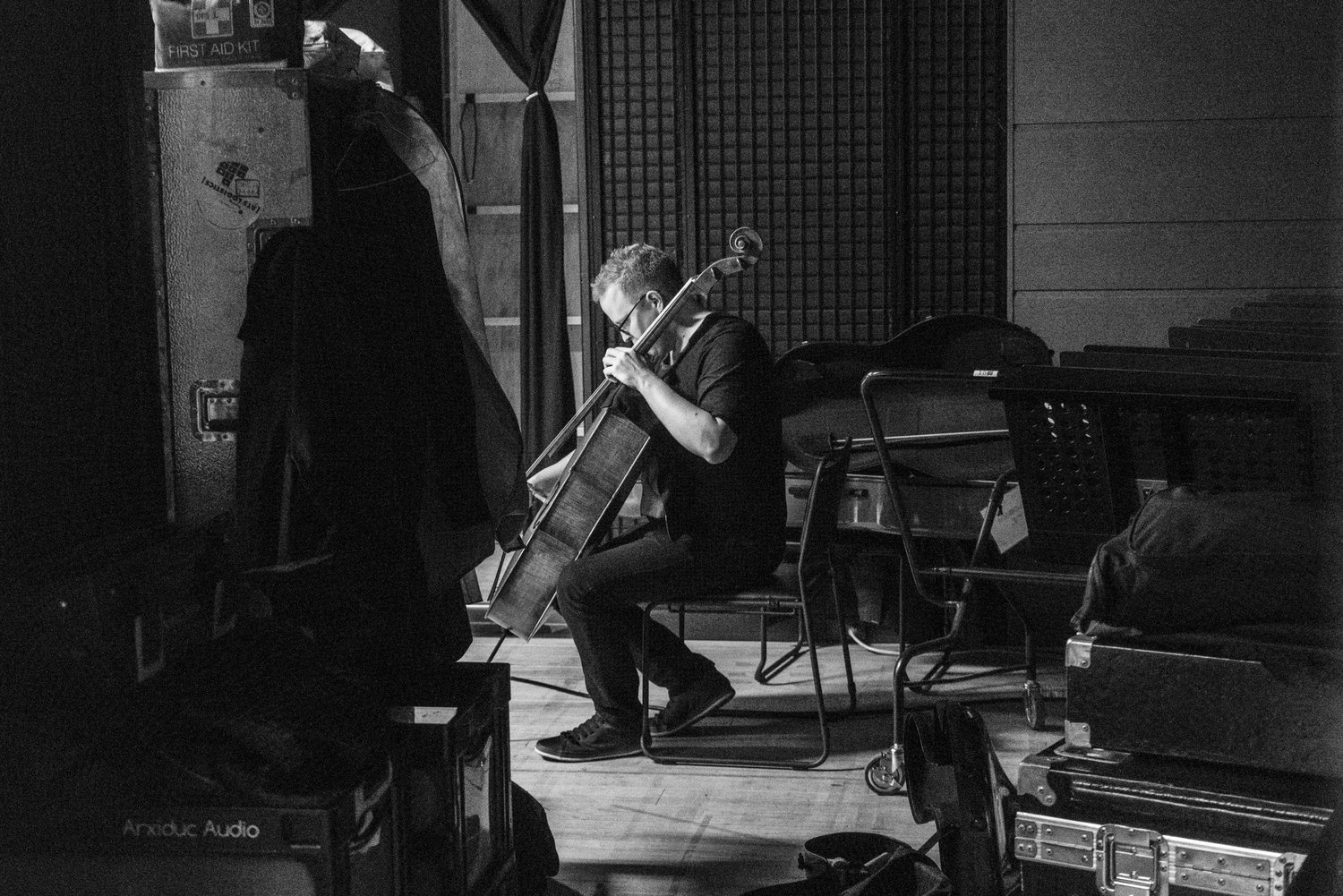
Timo-Veikko 'Tipi' Valve. Credit Christie Brewster

Timo-Veikko 'Tipi' Valve. Credit Christie Brewster

Playing it in the rehearsal room reveals only some of those layers.  


‘Until we play it for an audience, until it takes on a physical form through performance, we won’t truly know what it is. In that sense, nobody has really heard or experienced it yet – not even the composer. 


There’s a common trick of the mind that applies to this premiere, known as the anchoring bias, meaning we tend to stick with our first impressions of things. The first recording or performance you hear might always be your favourite, or your musical reference point. It’s a concept that directly impacts the role of this trio in presenting Eötvös’ composition. 


‘We are setting a precedent, offering the first conclusions on how this work should be played. In doing so, we are, in a sense, shaping its future,’ Tipi says. 


‘We must interpret the piece for the audience, and communicate it in a way that ensures its success. That is our responsibility as performers. 


It’s a responsibility they’ll take on, with enthusiasm, together. 

Book Now

What would you like to hear about?

This site is protected by reCAPTCHA and the Google Privacy Policy and Terms of Service apply.