For many years Peter Hislop led something of a double life. By day, he worked in the public service. At night and at weekends he would load up his camera bag and head out to a concert or festival, there to capture magical moments as artists performed their hearts out in front of a live audience.  

‘Photographers follow a passion’, he says. ‘Whether it's landscape, whether it's wildlife, sport or portraiture. My passion is classical music.’  


In 2024 he retired from his day job to concentrate not just on his own pictures, but on passing on experiences and techniques learnt over decades. He now offers workshops for people on both sides of the camera: to photographers, to learn the tricks of the trade; and to artists and producers, to learn how to get the best from photography.  

Last year Peter ran workshops at the Orange Festival and Australian Festival of Chamber Music and this year he is planning many more including at Albury and Tyalgam Festivals.  

Here are some of his insights.

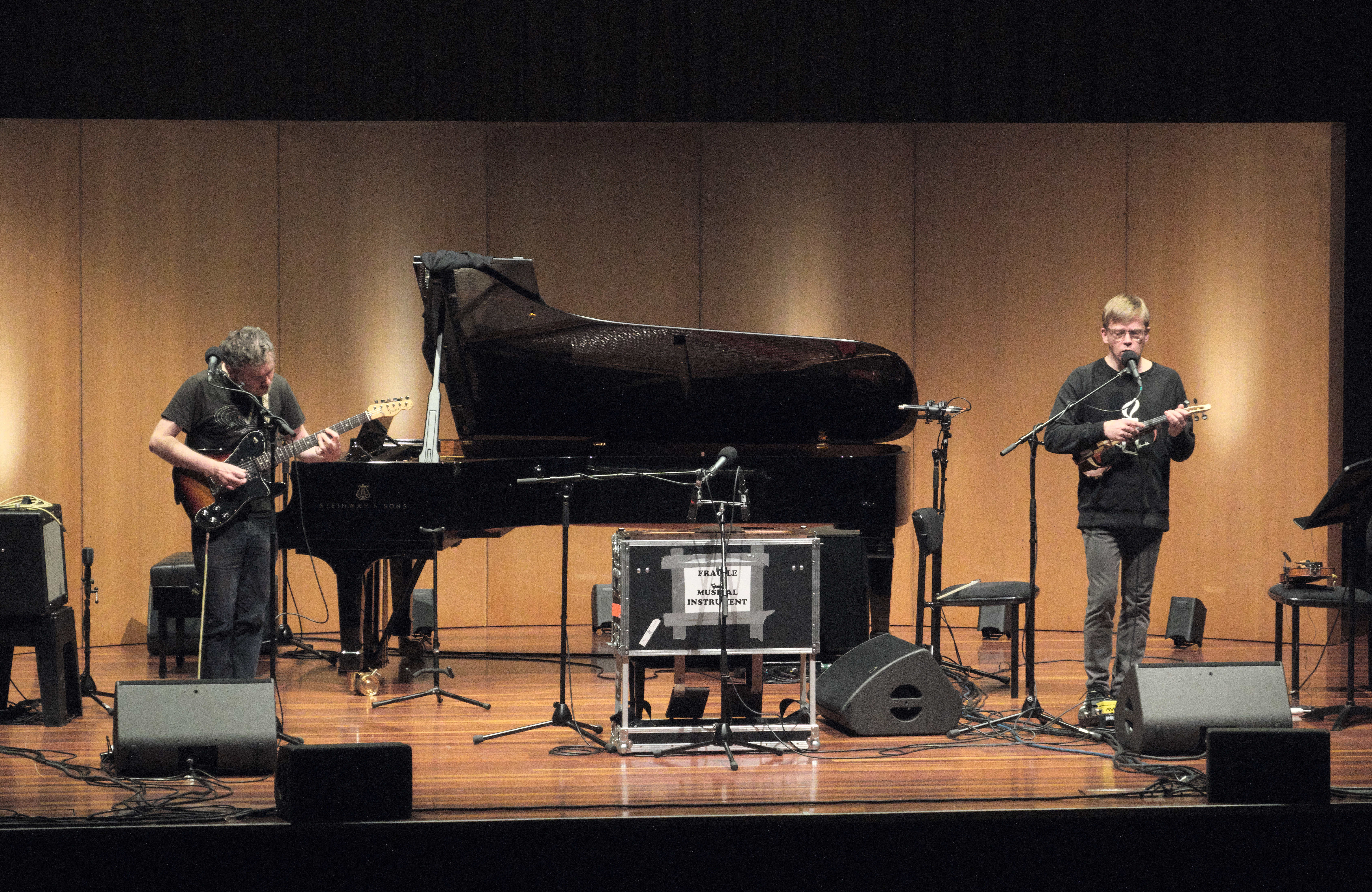
Kuusisto and Kahane performing at Llewellyn Hall, 2024. Credit Peter Hislop.

Kuusisto and Kahane performing at Llewellyn Hall, 2024. Credit Peter Hislop.

Know the rules of the game 

‘Getting shots in a concert hall with musicians is hard. If you're, say, shooting a football game, you know the rules of the game. You know how the action is going to move up and down the field, how it works, where your sight lines are.  


Be prepared 

‘A lot of what I do is anticipatory. You anticipate the pieces that are being played. You need to be mobile. You can’t run backwards and forwards to your camera bag all the time. And you can't say, “Okay, can you all stop for a moment?” Or, “That looked good. Could you repeat that?”  

In some venues, such as churches, there is no discrete way of moving from, say, the choir loft upstairs, down to beside the stage. So you've got to ask the performers, “Are you doing a reset at some stage, or are you chatting to the audience?” And during that time, I can walk down the centre aisle and set up to one side.’  

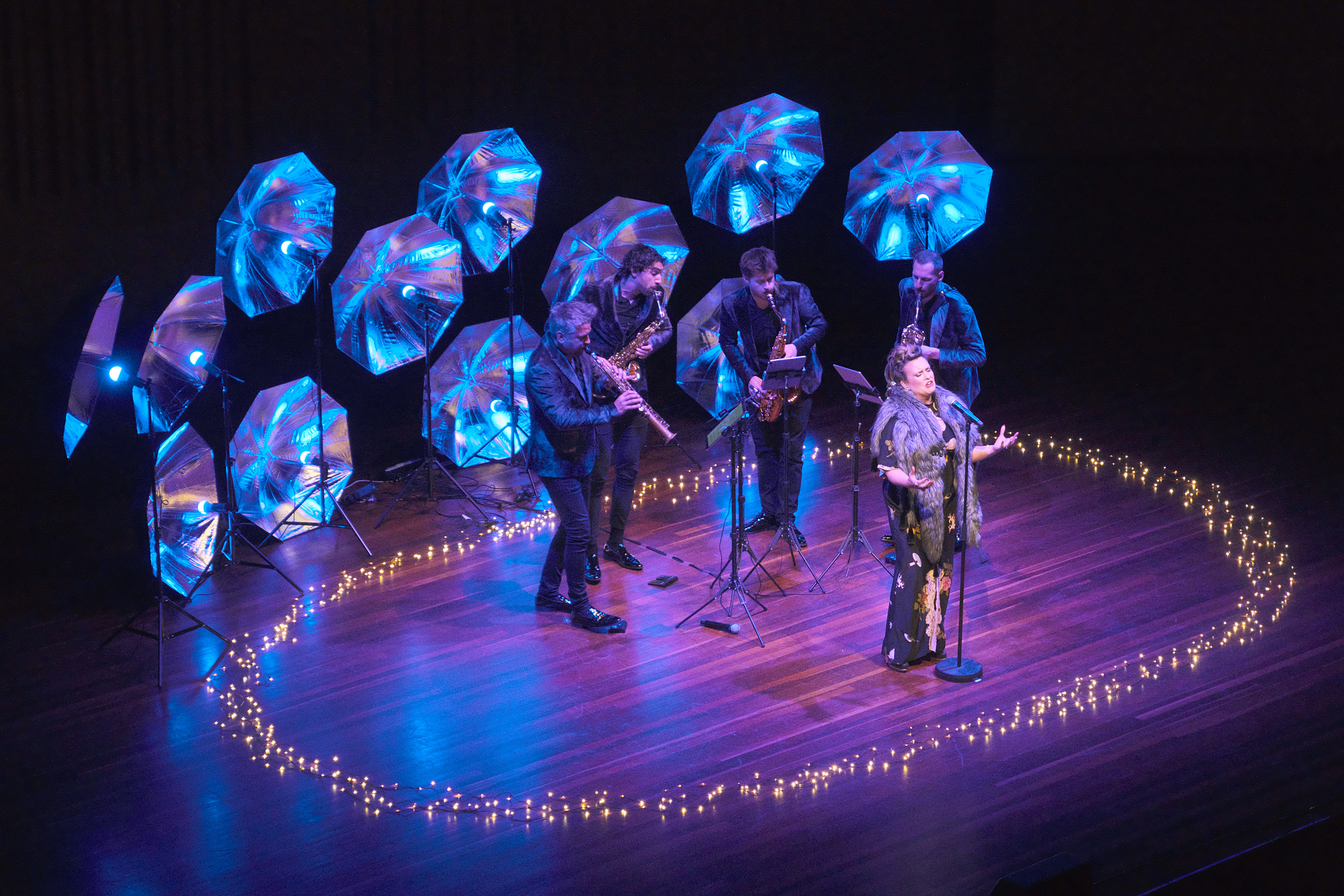
Hollywood Songbook performing at Llewellyn Hall, ANU, 2025. Credit Peter Hislop.

Hollywood Songbook performing at Llewellyn Hall, ANU, 2025. Credit Peter Hislop.

Work with light

‘You're a passive documentary person. You can't change the lighting and if you've chosen the perfect viewpoint for you for what you're shooting, then somebody comes out and moves the stands in the wrong spot, you can't say, “Could you move them back, please?” 

‘If all your lighting is directly down you get these big panda eyes, deep shadows, and very bright noses. Or sometimes you even get light behind the the performers and if all the shadows are falling forward, faces are in shadow. 

‘I now work with university students, musicians and production assistants asking questions like ‘what lighting are you giving the photographer?’ Because photography isn't just a one off. The photographers are in the venue for an hour or so but the photos may have a life of 20 or 30 years, and many people don't realize that they need light from the front of the stage.’ 

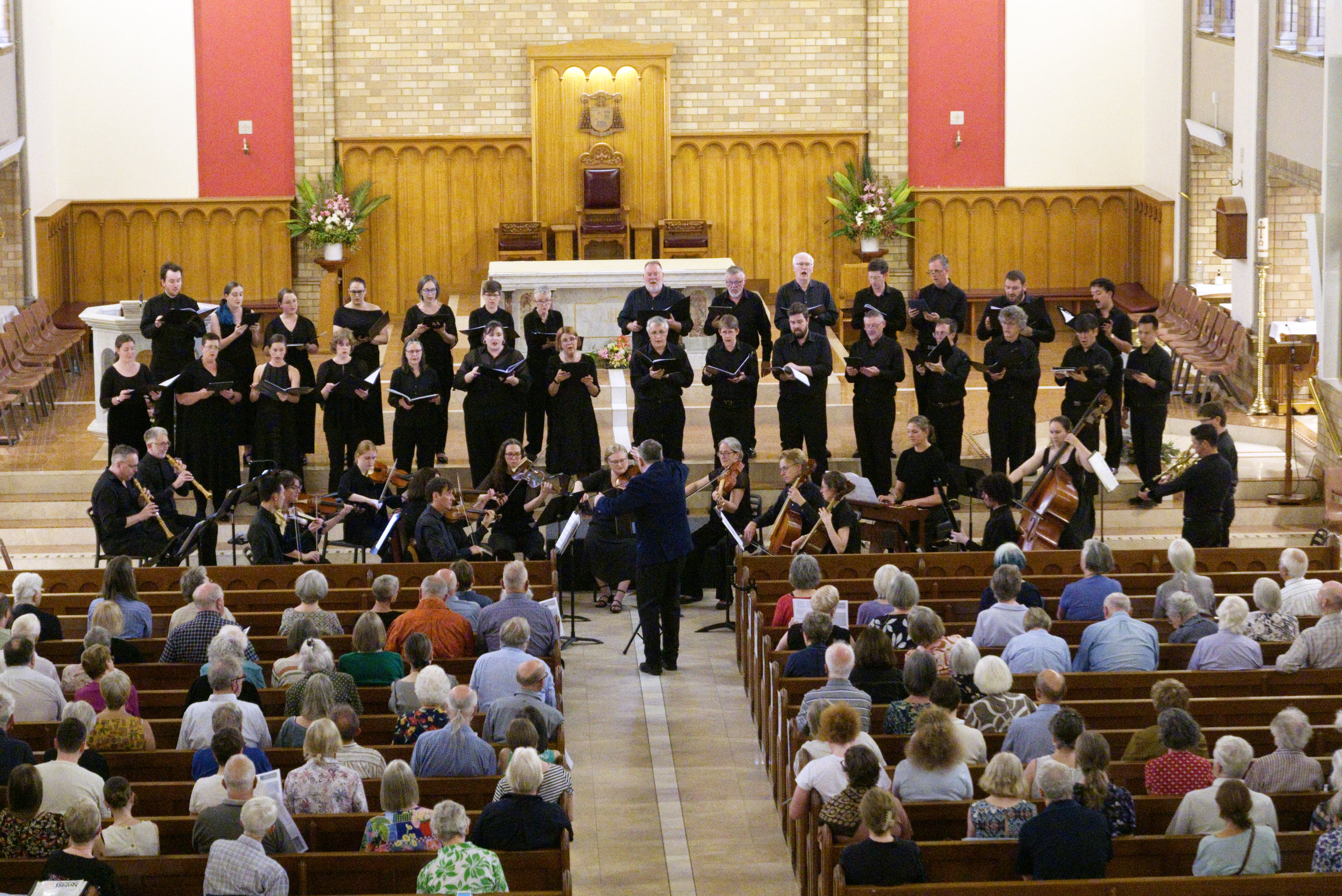
The Canberra Bach Ensemble performing at the the annual Leipzig Bachfest in 2024. Credit Peter Hislop.

The Canberra Bach Ensemble performing at the the annual Leipzig Bachfest in 2024. Credit Peter Hislop.

Work with the audience

‘Audiences are part of the performance. I talk to the stage managers, the front of house people, and even members of the audience saying, ‘I'm just going to be beside you for part of this concert, is that okay?’ If you are shooting an outdoors performance, for example following performers around the botanic gardens, when the audience is crowded around the performer they'll often invite you across and say, “Look, there's a, there's a there's a good view here.” And they know you'll pop in, take your five or six shots and then move out of the way.’ 

‘Photographers follow a passion’, he says. ‘Whether it's landscape, whether it's wildlife, sport or portraiture. My passion is classical music.’

Finish the job

‘I shoot a concert, and all the ensemble members say, ‘We've finished now. We're going down the pub. Are you coming along? And I say, ‘No, you do your work before the concert. I do mine after. I've got to go home, cull them, turn them around, at least tag them and get them away to the publishers by 10 o'clock the next morning.

Peter makes his photos available to publications via a public dropbox, and he’s always careful to label and tag everything.  

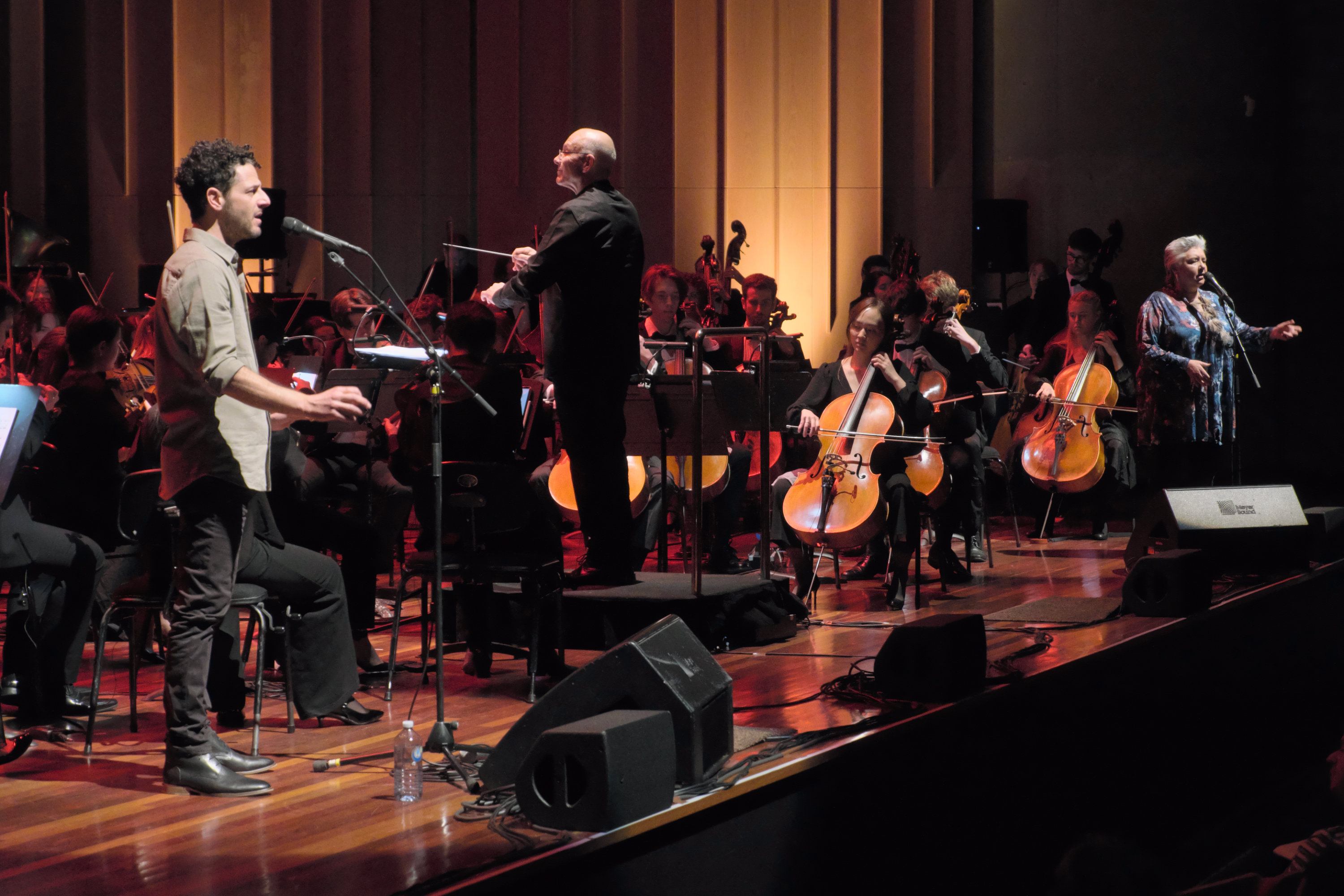
Composer Nigel Westlake, singer-songwriter Lior, and performer and academic Dr Lou Bennett AM performing their composition 'Ngapa William Cooper' at Llewellyn Hall as part of AYO Canberra Music Camp, 2023. Credit Peter Hislop.

Composer Nigel Westlake, singer-songwriter Lior, and performer and academic Dr Lou Bennett AM performing their composition 'Ngapa William Cooper' at Llewellyn Hall as part of AYO Canberra Music Camp, 2023. Credit Peter Hislop.

Make history

‘You've got to start managing your own history. It's something that I have got a minor crusade on: we actually don't have a national archive or repository for the Performing Arts.

‘If you go into a regional city and ask what artists and what musicians work here? What ballet dancers? What composers have come from your town, your city? They don't know.

‘One thing I try and do is not just shoot the major touring stars. I shoot community events and community orchestras, choirs, and composers trying out new works with local groups. I try and document as much of our musical life as possible.’

 ‘We've got museums for buses and cricketers, but we don't have anything for that collects the story of our national expression of culture. We've got a vibrant performing arts industry, and it deserves better recognition and documentation.

Could you be a cultural documentary maker? Watch out for news of Peter Hislop’s workshops on offer at concerts and festivals around the country. 

Concert Photography Workshop

Click here to find out more about Peter Hislop's photography workshop

Photographer Peter Hislop is offering a practical Working With Concert Photographers workshop for musicians, presenters and arts organisations. Participants will learn how to brief photographers, navigate lighting and venue challenges, and manage image use, copyright and archiving for long-term impact. The session runs approximately three hours and can be delivered for groups of any size.

Find out more or inquire

What would you like to hear about?

This site is protected by reCAPTCHA and the Google Privacy Policy and Terms of Service apply.