Like many people who work with children, Dr Sue Packer AO knows the power of music to change or boost a young person’s mood. 

In her home in Canberra she has a well-loved toy flowerpot that dances and sings the Glenn Miller hit In the Mood. It used to live in her office and it once had bees on it, though they have long since been pulled off by little fingers. 

‘I’m sure other people in the offices with me got sick of it, but I didn’t much care,’ Sue says.

‘Crazy music helps stressed children – and stressed adults, too. We could all use a little crazy. For stressed children, in particular, music is a little reminder that things can be different.’  
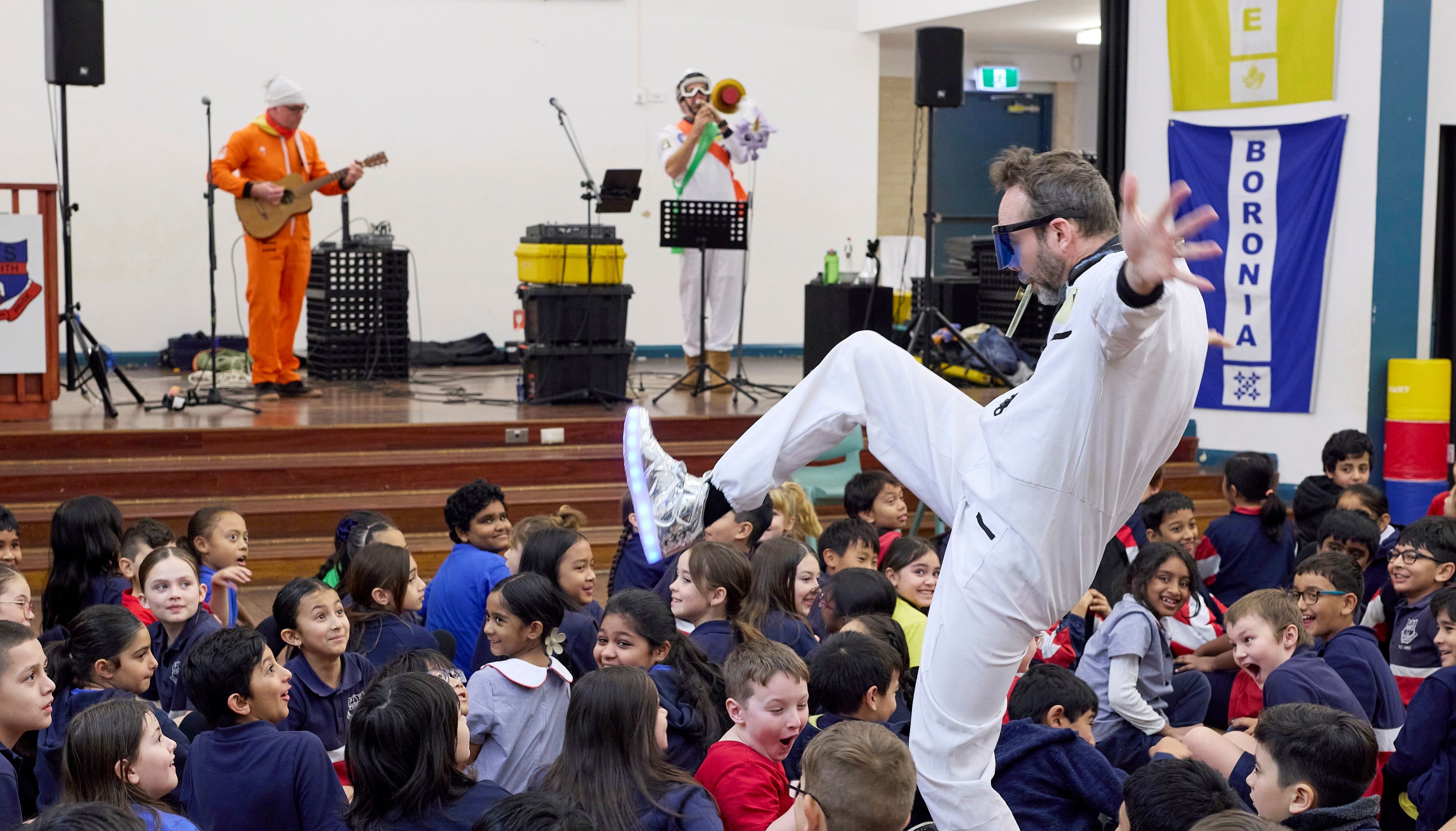
Moon Radio Hour performing at Penrith Public School as part of Musica Viva Australia In Schools (2025). Credit Keith Saunders.

Moon Radio Hour performing at Penrith Public School as part of Musica Viva Australia In Schools (2025). Credit Keith Saunders.

Sue’s working life was dedicated to working with children whose young lives had been damaged in the most devastating circumstances.

Starting her career as a paediatrician, she has been a leader in the prevention and treatment of child abuse and neglect, and is a tireless advocate for the rights of the child.

In addition, Sue has championed the importance of early childhood environments for the developing brain, leading to recognition by education and government agencies.  

She was one of the driving forces behind creating child-friendly spaces in hospitals and recognising the value of play in recovery – including the use of music. 


In 2019, Sue’s leadership in the treatment of child abuse and trauma was recognised when she was named Senior Australian of the Year. At the awards ceremony, she told the audience that society too often is quick to blame children for their inability to thrive.

‘From families to governments, when our plans for our children go wrong, so often we do blame the child, saying things like, “Shows no respect, eats too much junk food”, and so on,’ Sue says.

‘We need to remember that we adults are the drivers for the world our children experience every day. Raising children is so much more than a family responsibility.

‘If we want to improve, we adults are the ones who need to change – no more belated apologies. We need to notice children, be curious about their lives.’

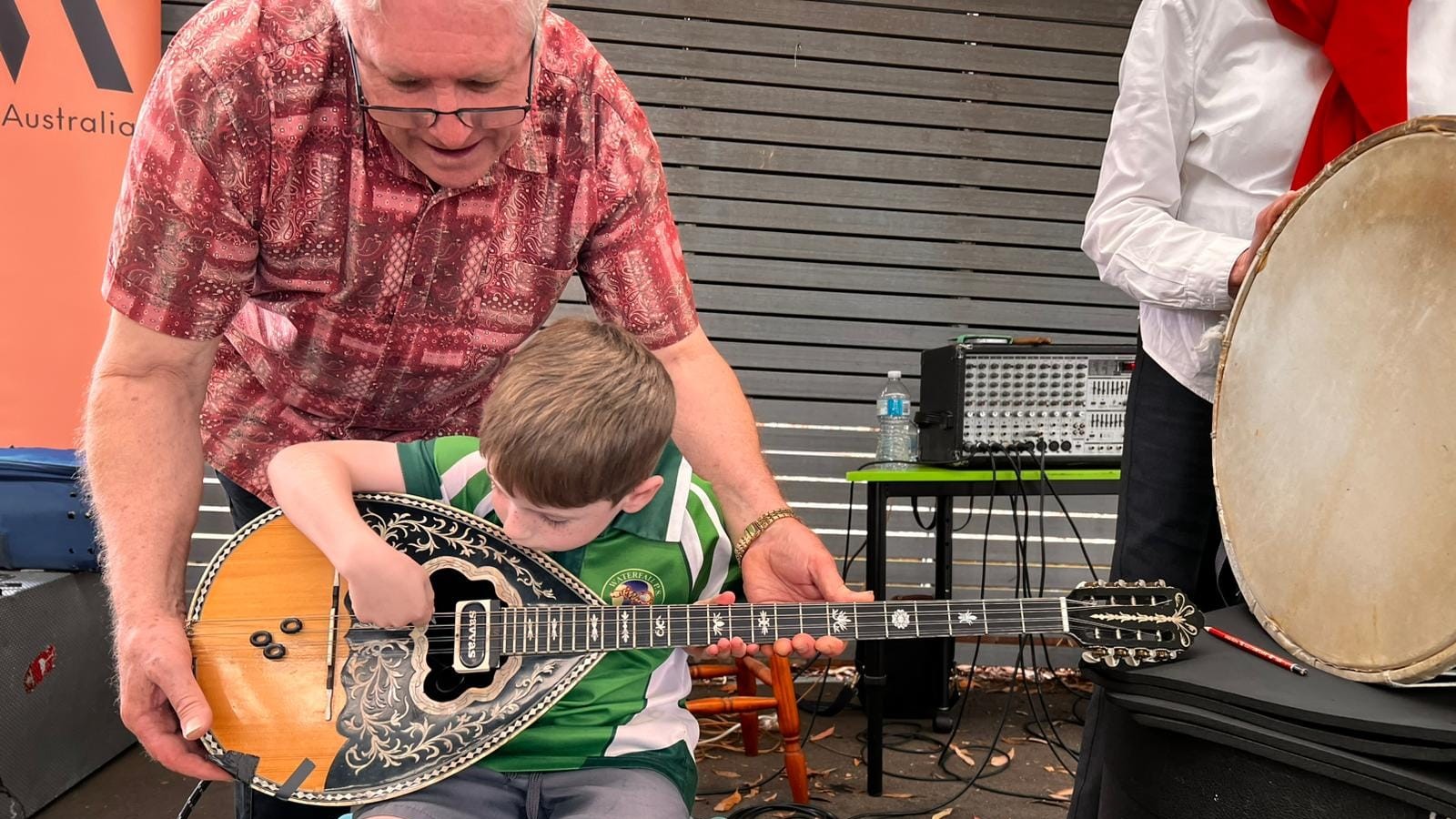
 Music in my Suitcase performing at Waterfall Public School as part of Musica Viva Australia In School (2024).

Music in my Suitcase performing at Waterfall Public School as part of Musica Viva Australia In School (2024).

Sue’s passion for music in schools began with her own primary school days in the Blue Mountains of NSW. 

‘It was our singular infant school experience: we started every day with singing,’ she says.  

She remembers her teacher beginning the day by playing the piano and singing songs that told stories. These stories became the way Sue made sense of the world around her, a technique she has carried with her into her work.  

‘Music is a wonderful way for children to understand the grown-up world,’ she says. ‘The stories are how little people learn to make sense of everything.’ 

‘Music is a wonderful way for children to understand the grown-up world,’ she says. ‘The stories are how little people learn to make sense of everything.’ 

Music was also part of her home life. Her mother, a single parent and teacher, worked and saved to afford a piano, which she would play and sing at in the evening. 

‘Some of my earliest memories are of my mother playing me off to bed,’ she says. ‘She would play and I would dance all the way to the bedroom.’  

She and her sister attended group music lessons at a local school, although Sue admits feeling sorry for the local nun who was in charge of corralling a group of primary students into a sort of ensemble. 

‘Not everyone is cut out for it,’ she acknowledges, slightly wryly.  

Sue came to Musica Viva Australia through her sister, Pru Shaw, a violinist and renowned designer-maker who formerly taught woodwork at the Australian National University. 

Classical music fundamentally appealed to her.

‘Chamber music is my great love, because it’s non-competitive,’ Sue says. ‘Every player is equal, and the intrinsic value of music is at the front.’  

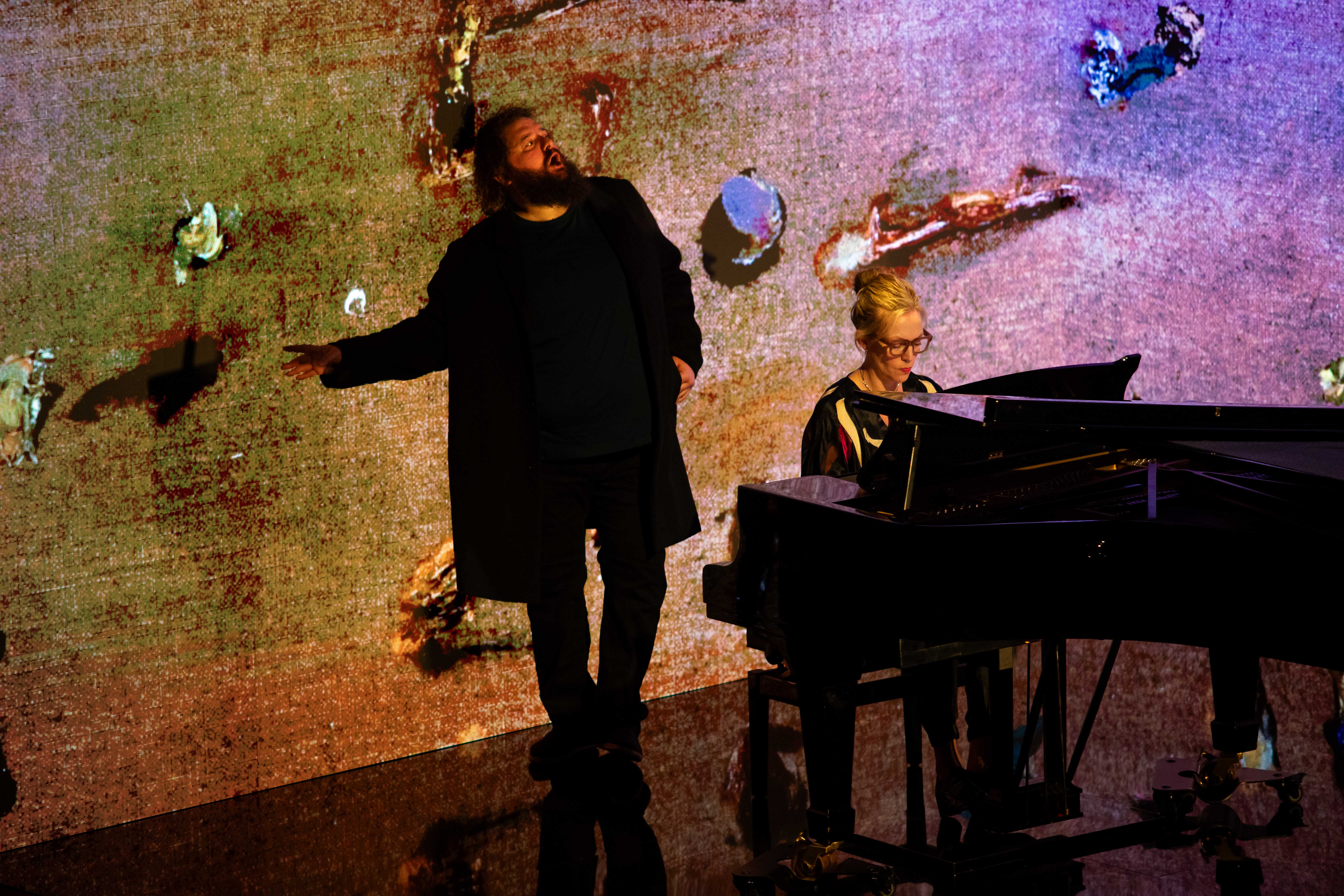
Allan Clayton and Kate Golla rehearsing A Winter's Journey at Regal Theatre, Perth (2026). Credit David Cox.

Allan Clayton and Kate Golla rehearsing A Winter's Journey at Regal Theatre, Perth (2026). Credit David Cox.

A frequent concert-goer in Canberra, she describes the recent tour of A Winter’s Journey as ‘exceptional’ and recalls other past highlights, including Ensemble Q with William Barton and the Esme Quartet. Their performances offered something ‘unexpected’ and gave Sue a fresh perspective on music. 

Late in life Sue discovered that she had a half-sister – who died in Perth recently – and that they, too, shared a love of music.

‘We found each other more than 15 Years ago and found we had so much in common, although growing up unaware of each other’s existence,’ she says. 

‘In particular, we shared a love of Schubert’s music and she died peacefully, listening to Schubert.’

During the toughest moments of her working life, Schubert and Mendelssohn have been constant musical companions.  

Just as the singing flowerpot brought joy to children in her care, music has given Sue consolation and comfort in challenging times, reminding her that things can be different.

‘Music allows me to keep doing my work – it keeps my sanity,’ she says.  


Dr Sue Packer AO is a valued 2026 Concert Champion for A Winter’s Journey, having generously helped bring the concert to life in Canberra.


This is one of a series of Untold Stories celebrating the extraordinary people who make the music possible at Musica Viva Australia. To play your part in shaping the future of chamber music in Australia, donate at musicaviva.com.au or contact Zoë Cobden-Jewitt at zcobden-jewitt@musicaviva.com.au for a more detailed discussion.  


What would you like to hear about?

This site is protected by reCAPTCHA and the Google Privacy Policy and Terms of Service apply.