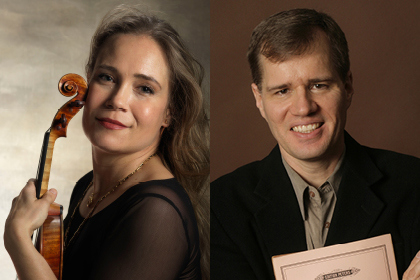
‘We’re starting with a loved classic, the Debussy Sonata, which is a complete masterpiece. It’s sensual, jazzy and improvisatory, and makes a beautiful opening for the rest of the program. The Szymanowski isn’t well known, and it’s rare to hear it live, but it’s one of the most sonically adventurous pieces for the two instruments. It contains so many textures and colours, and sensual techniques like trills and ponticello. These are gestures that are not heard very much in the classical repertoire, except in symphonic language, but here it’s very intimate. The Stravinsky is brilliantly transcribed and a crowd-pleasing showstopper, so it’s a great way to finish the concert.’
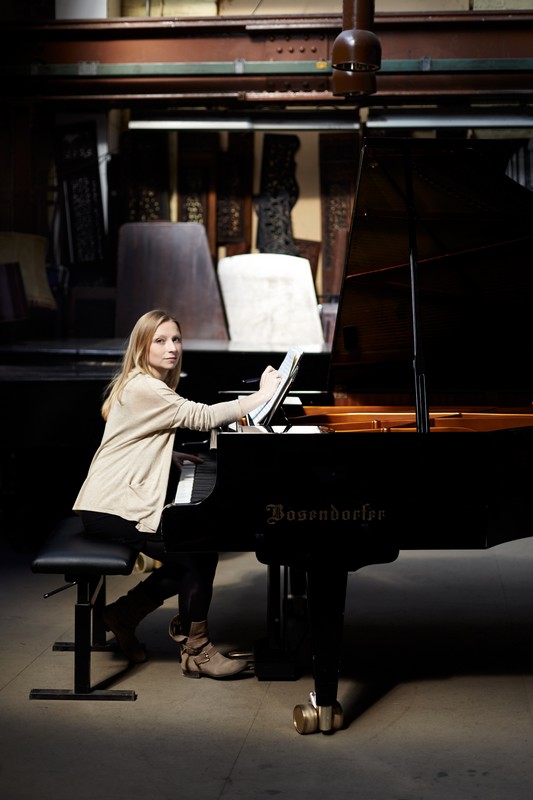
Charlotte Bray. Credit Michael Wickham.

Charlotte Bray. Credit Michael Wickham.


In between these tried and tested works is Charlotte Bray’s relatively new Mriya, written for Josefowicz and performed in Australia for the first time. Mriya is a Ukrainian word meaning a dream, or vision, and Bray wrote it as a response to the Russian invasion of Ukraine. Josefowicz gave the premiere with John Novacek at London’s Wigmore Hall in September 2024, and says, ‘It’s about resilience and endurance, a cry from humanity. That will be clear to the listener when they hear it.’ 


Bray is now writing a full-blown violin concerto for Josefowicz.  

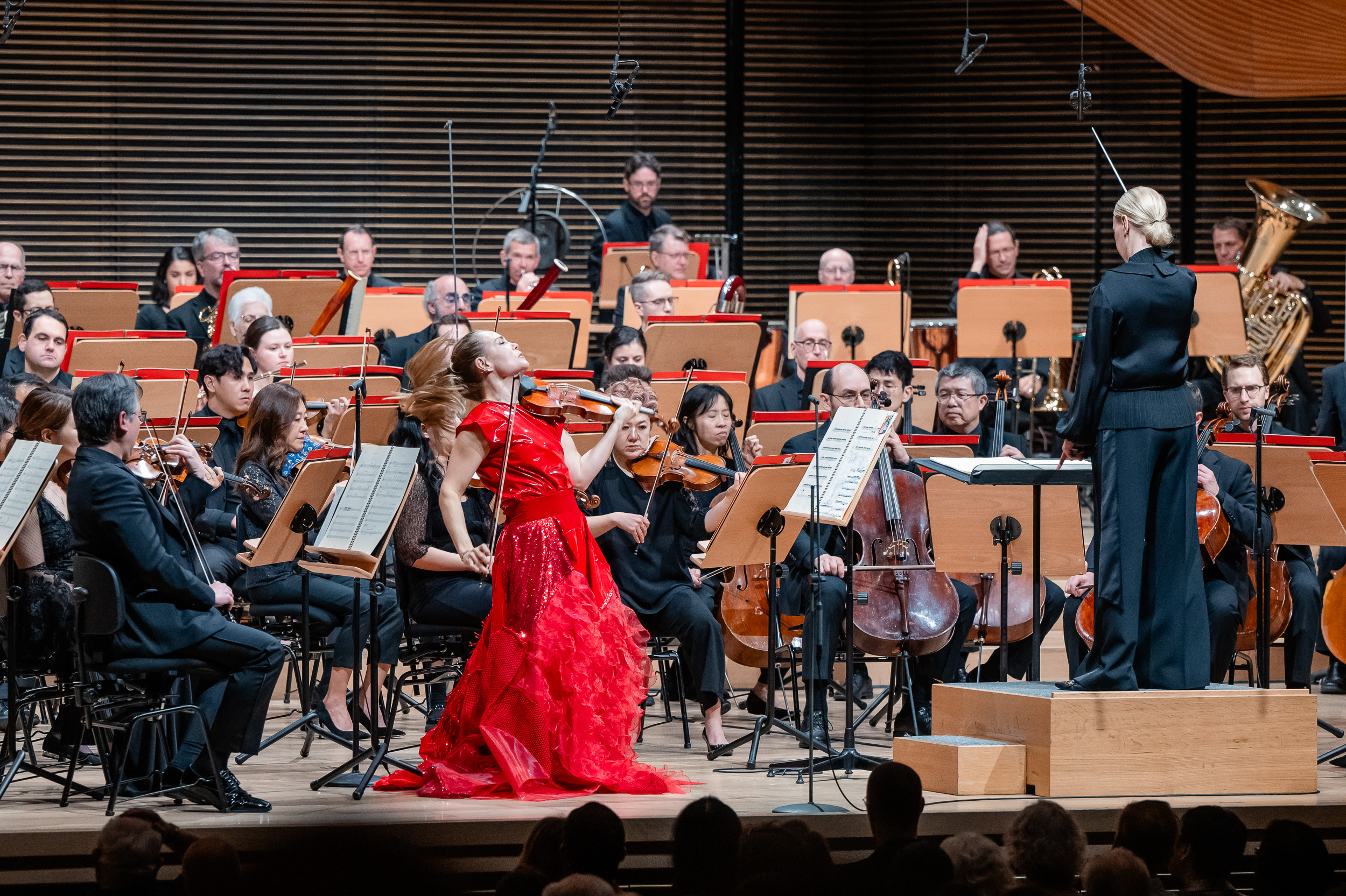
Leila Josefowicz performing with the New York Philharmonic at the David Geffen Hall (2025). Credit Brandon Patoc.

Leila Josefowicz performing with the New York Philharmonic at the David Geffen Hall (2025). Credit Brandon Patoc.

What is Josefowciz looking for when she works with a composer?  


‘I prefer a certain amount of freedom to be lyrical. That means a simplicity on the page, especially when it comes to being able to show off my sound and what I can do within even a single note. If a composer writes trillions of fast-moving notes, that doesn’t give me the opportunity to explore the kinds of sounds I can make. That’s the Miles Davis way: what can you say with a single note? What can change within the period of playing that note? Rhythm and groove have also always been at the rock centre of my playing. There’s a way to contrast these things, to juxtapose them, and that suits me well.’ 

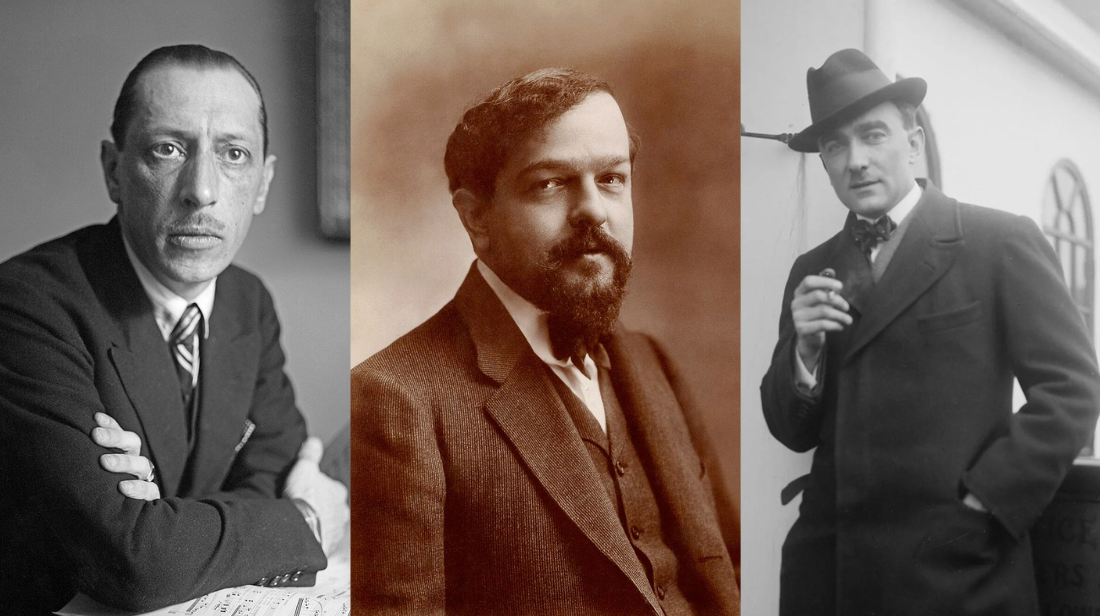
From left to right: Igor Stravinsky, Claude Debussy and Karl Szymanowski.

From left to right: Igor Stravinsky, Claude Debussy and Karl Szymanowski.

Can she tell if a piece or a composer is going to stand the test of time, to be the Debussy of the future?  


Not necessarily, she says. It’s a question that each person would answer differently.  


‘Some people need a lot of tonality – I don’t, necessarily. I’m more interested in the strength and originality of the gestures, the uniqueness of the voice. It’s easy for composers to be influenced by other things that have been written – every composer is, in a certain way – but some fight the reaction to fit into a mould. I admire those who invent a whole new language from the first note of the piece. There may be certain influences you can hear now and then, but they don’t rely on these. This takes incredible courage, imagination and thought on the part of the composer.  


‘It should be challenging. If it’s not, it’s too easy – for me, too!’ 


You can hear Leila Josefowicz and John Novacek in The Fairy’s Kiss, touring 5-20 July to Adelaide, Brisbane, Canberra, Melbourne, Newcastle, Perth and Sydney.


What would you like to hear about?

This site is protected by reCAPTCHA and the Google Privacy Policy and Terms of Service apply.